

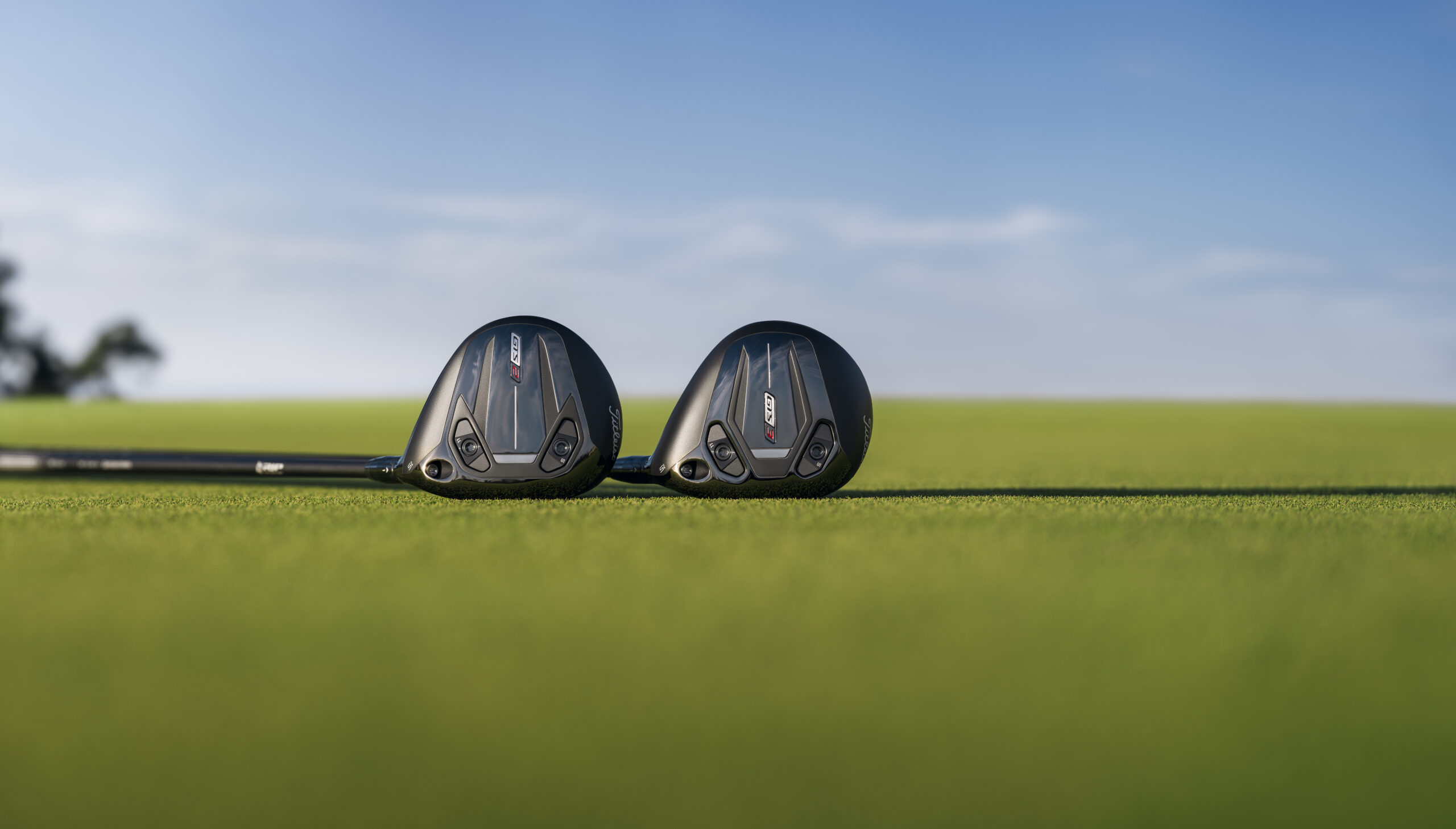
More Control, Better Launch, Smarter Fitting
When Titleist launches a new generation of fairway woods, golfers naturally expect more distance, more ball speed, and groundbreaking technology. However, the story of the new GTS2 and GTS3 fairway woods is a little more nuanced, and perhaps more important for golfers looking to shoot lower scores.
After extensive robot testing and player evaluations, the biggest takeaway is not dramatic gains in ball speed. Instead, Titleist has focused on something that matters far more in real world performance: consistency, launch optimization, and distance control.
Better Launch Without More Spin
One of the clearest trends we observed comparing GT2 and GT3 against the new GTS2 and GTS3 was improved launch conditions.
The new designs launch slightly higher while simultaneously producing slightly less spin. That combination is difficult to achieve and highly beneficial for golfers.
What this effectively means is less spin per degree of launch with no sacrifice in peak height. Players can enjoy a higher launching flight that still maintains a penetrating trajectory and predictable carry distances.
This is not an accident.
The new head shapes appear designed to encourage golfers to see more loft at address. The visual presentation of the club inspires confidence and promotes the feeling that getting the ball airborne is easier. When golfers see loft, they tend to use loft more effectively, resulting in improved launch conditions throughout the bag.
Tour Driven Development
Much of this evolution comes directly from trends we continue to see at the highest levels of the game.
Fairway woods are playing a larger role than ever before, particularly among elite players. Higher lofted fairway woods, seven woods, and specialty fairway configurations have become increasingly common on professional tours around the world.
Titleist’s research and feedback from tour players appears to have heavily influenced the direction of the GTS line. Rather than chasing raw speed gains, the engineering effort has focused on creating more playable launch conditions and more consistent performance from a wider range of strikes.
The Biggest Win: Improved Distance Control
While center strike performance remains excellent, the real story emerges when impact moves away from the sweet spot.
Across nearly every impact location, front to back dispersion improved with the new models. The improvements were noticeable in heel strikes and particularly impressive on thin strikes.
Thin shots are among the most common misses for golfers using fairway woods. Traditionally, these strikes can launch low with excessive spin, producing unpredictable carry distances and significant yardage loss.
The new GTS models showed a much more controlled response.
Instead of seeing those ballooning shots that climb excessively and fall short, we observed a more penetrating flight that landed closer to the expected carry distance. The result is greater predictability and confidence whether the club is being used from the fairway or off the tee.
Simply put, golfers can expect more shots finishing where they intended.
Titleist Still Rewards Great Ball Striking

One characteristic that has always defined Titleist metalwoods is precision.
The company has never been afraid to demand quality strikes from players who consistently find the center of the face, and that philosophy remains intact.
Center strikes with the GTS models were remarkably controlled. The clubs delivered repeatable launch conditions, repeatable spin, and repeatable carry distances.
That consistency is exactly what better players look for when selecting a fairway wood.
GTS2 vs GTS3: Different Golfers, Different Needs
Beyond the performance numbers, there are meaningful design differences between the two models.
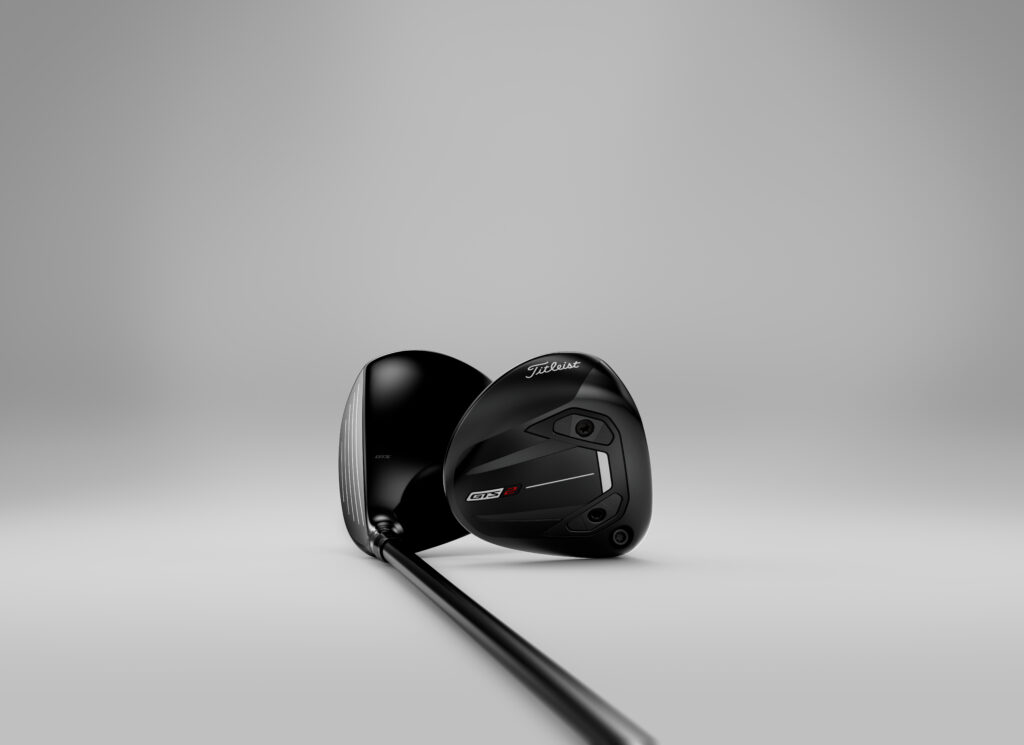
The new GTS2 features a slimmer, flatter sole design that makes it particularly appealing for players who like to sweep the ball from the turf. It sits beautifully behind the golf ball and inspires confidence when hitting from tight fairway lies.
The GTS3 retains a more traditional profile with a deeper face and a slightly more compact appearance. It continues to appeal to players who hit down on the golf ball more aggressively or primarily use their fairway wood from the tee.
Titleist has also expanded fitting opportunities with the new generation.
The addition of movable sole weights creates even greater precision during the fitting process, allowing fitters to fine tune performance more effectively than before.
Combined with the proven SureFit hosel system, golfers now have more adjustment options than ever.
The expanded loft offerings in GTS3 are particularly interesting for higher speed players experimenting with modern fairway wood setups, including seven woods and other specialty configurations that continue to gain popularity.
Why You’re Really Here: The Data
As with all new club releases, we put them to the test on our robot to see what is really improving in Golf Club Technology year over year.
We put the new Titleist GTS Fairways Metals in a direct comparison with the older Titleist GT Model, and here are the results:
GT2 Fairway Robot Test Results
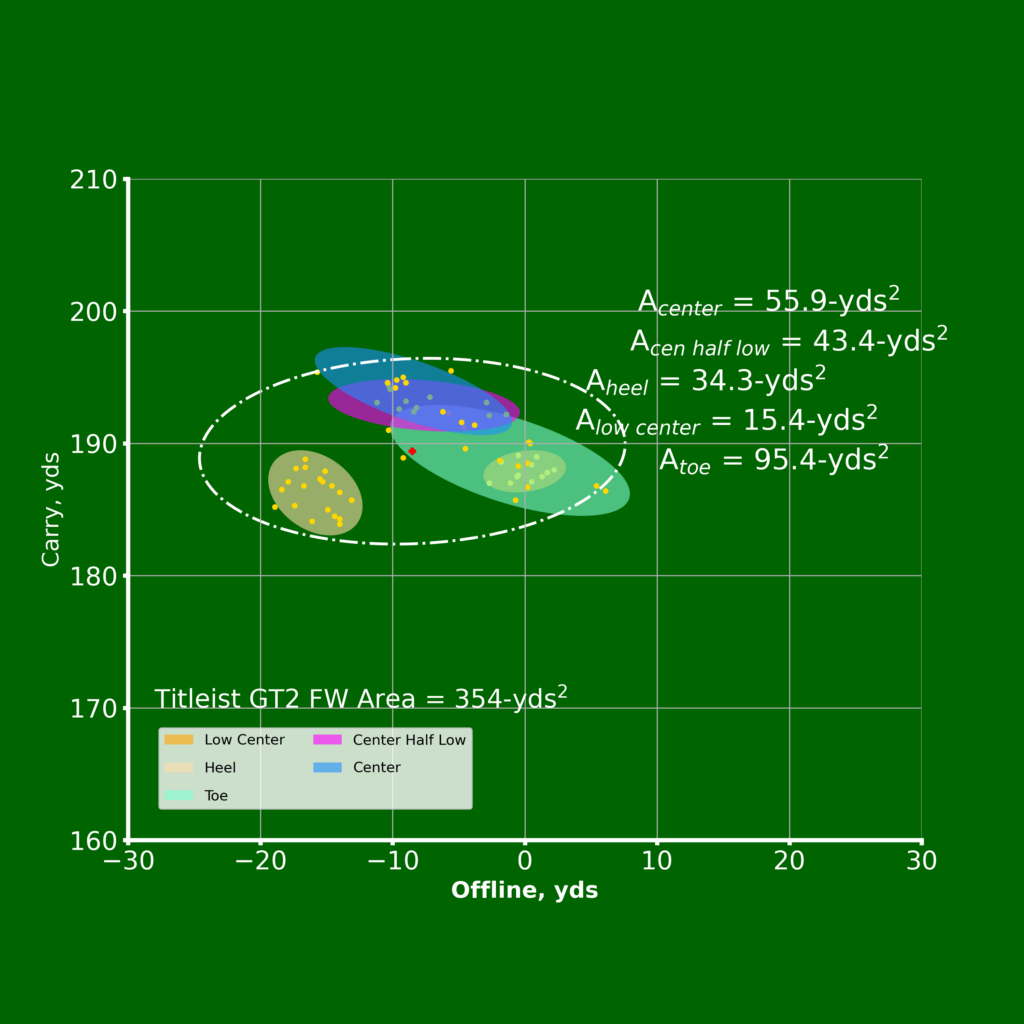
GT3 Fairway Robot Test Results
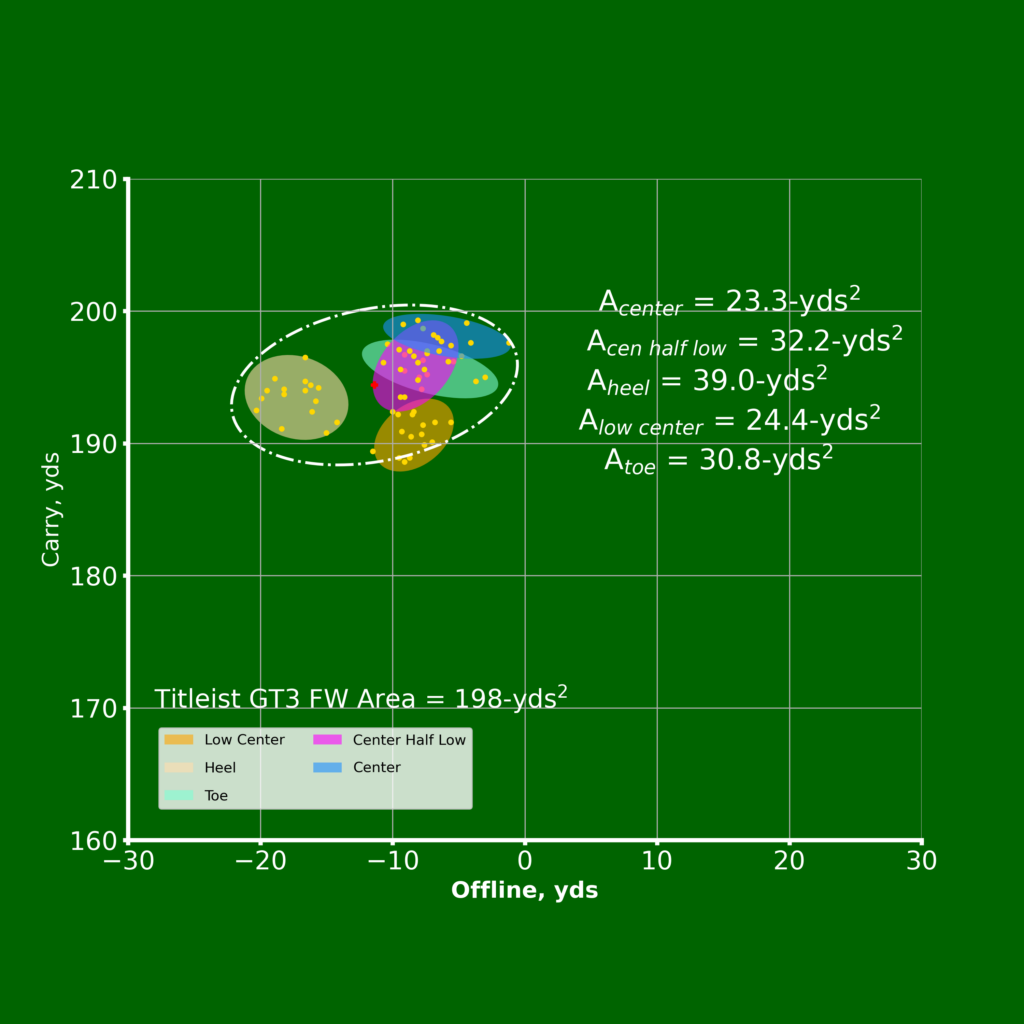
GTS2 Fairway Robot Test Results
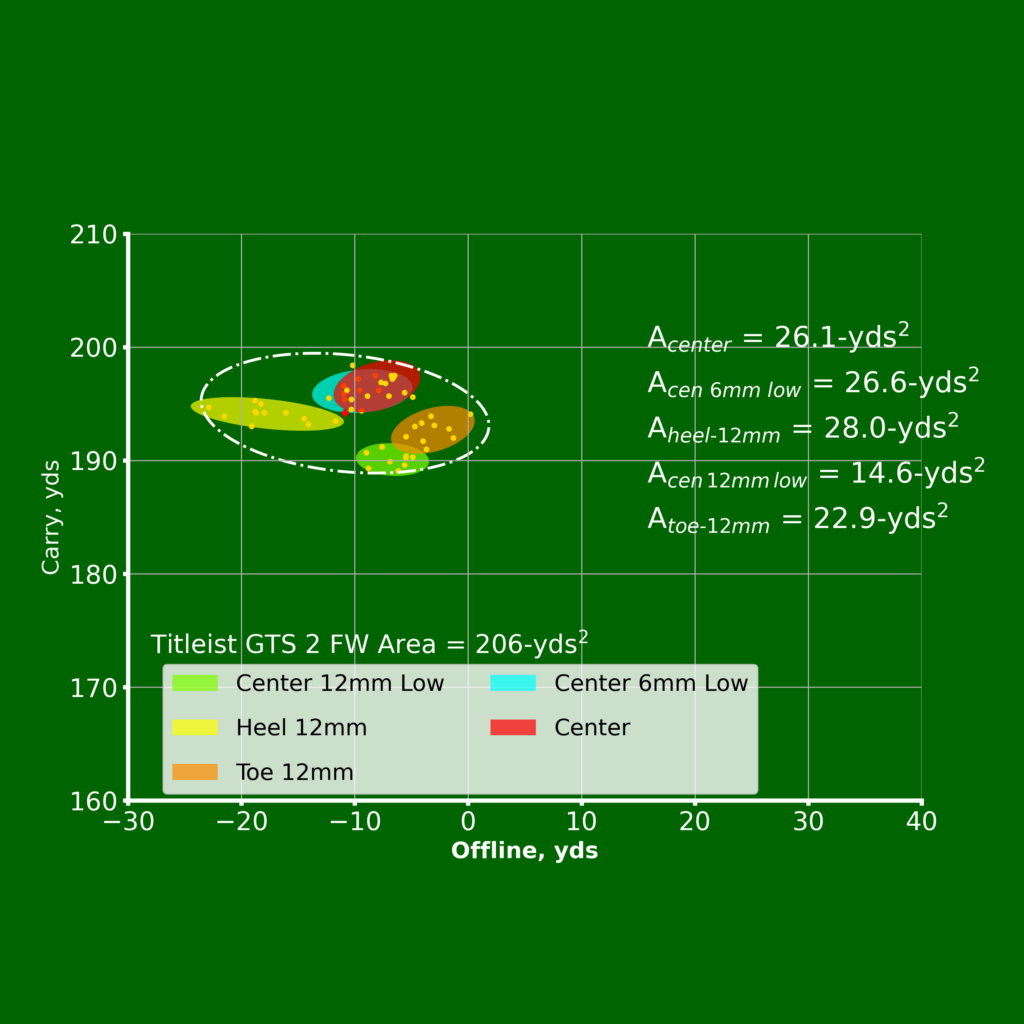
GTS3 Fairway Robot Test Results
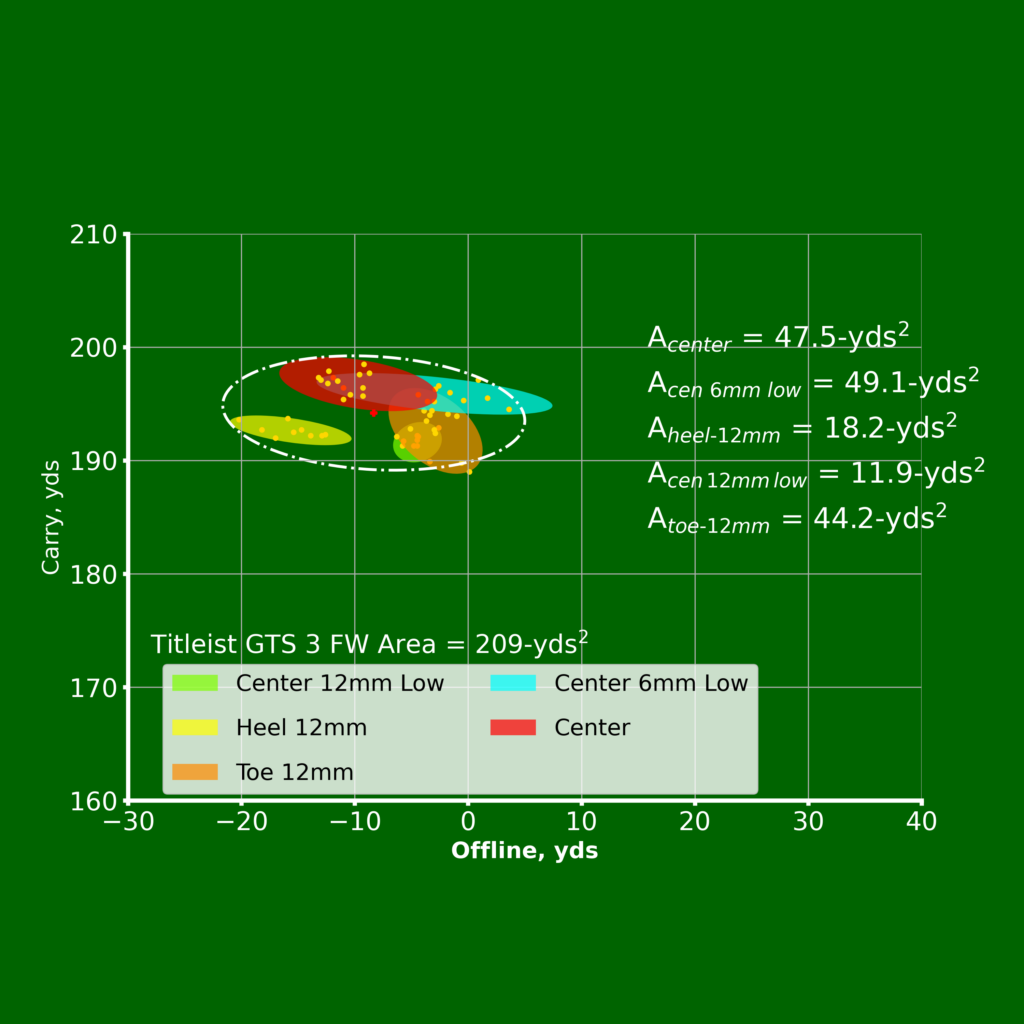
Final Thoughts
The new GTS2 and GTS3 fairway woods are not a revolutionary leap forward in raw speed. Two years of technology development did not suddenly unlock massive ball speed gains.
What Titleist has accomplished, however, may be more valuable.
The clubs launch a little easier. They spin a little less. They offer better distance control. They deliver tighter front to back dispersion. Most importantly, they inspire confidence through improved visuals and improved consistency.
The differences are not massive, but they are measurable.
Our robot testing confirms it.
As always, the key question is whether those differences are meaningful for your game. The only way to know is through a proper fitting.
Be sure to head over to our YouTube channel and watch the full robot review. Also check out Jackson’s fitting experience as he compares the GTS2 and GTS3 in the fitting bay and highlights the differences golfers are most likely to notice.
If you enjoy unbiased equipment testing and in-depth fitting insights, make sure to like, subscribe, and follow along for some of the best golf equipment content in the industry.