

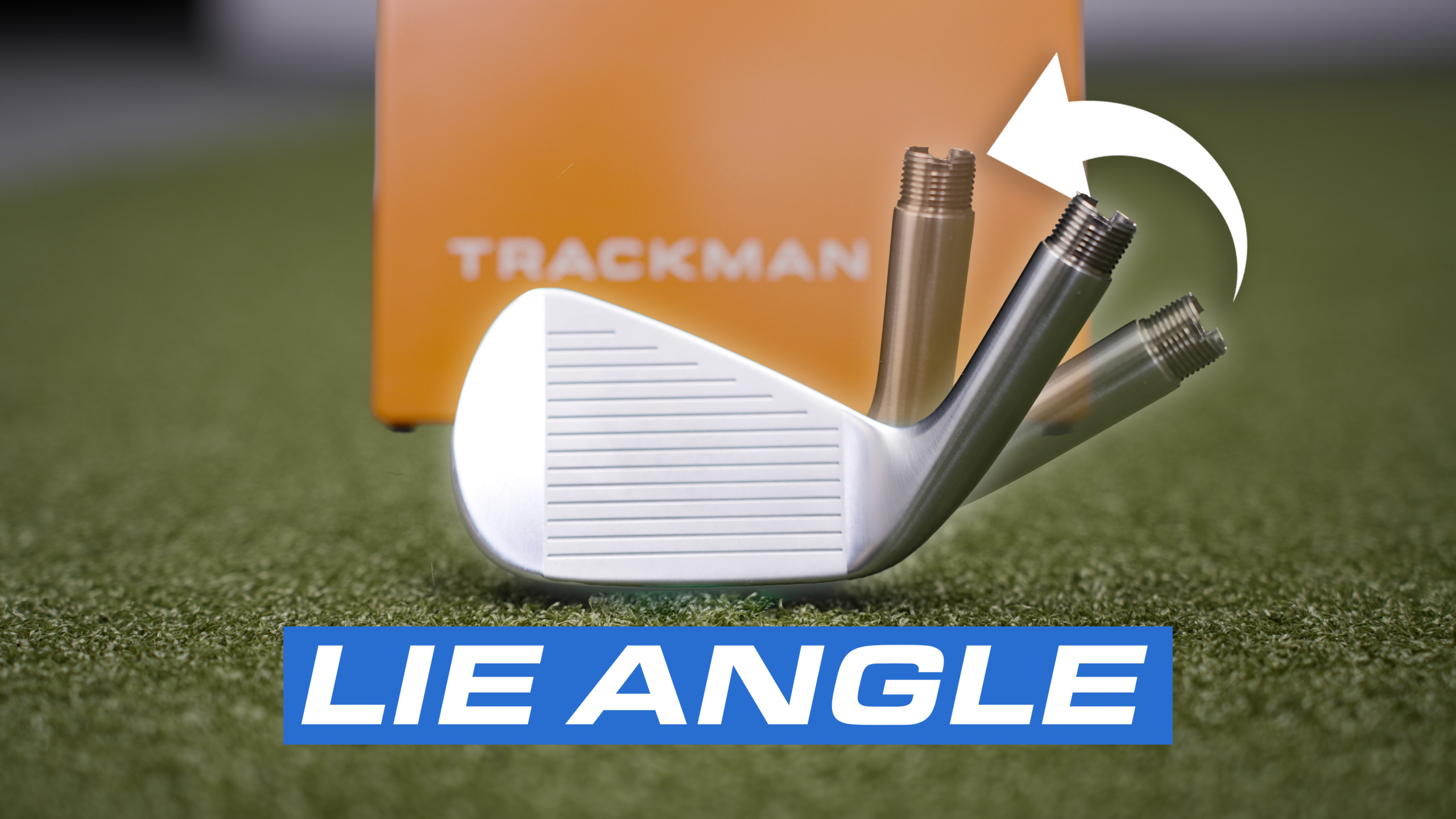
When golfers talk about lie angle, the conversation is usually pretty simple.
Too upright and the ball goes left.
Too flat and the ball goes right.
For decades, that has been the standard explanation.
And while there is truth to it, the reality is far more complicated.
At Cool Clubs, we wanted to understand exactly what happens when lie angle changes. Not just what physics predicts should happen, but what actually happens when a golfer reacts to those changes.
So we took a player into the fitting bay and tested three different lie angles:
Standard
2° Flat
2° Upright
The results were fascinating.
What we learned reinforced something we see every day in fittings.
Lie angle matters tremendously, but maybe not in the way most golfers think.
The Traditional Understanding of Lie Angle
Historically, lie angle has been viewed through two lenses.
The first is turf interaction.
If a club is too upright, the heel tends to strike the ground first.
If a club is too flat, the toe tends to strike the ground first.
The second is face direction.
When a club is more upright, the loft plane points more left for a right handed golfer.
When a club is flatter, the loft plane points more right.
Those concepts are absolutely true.
Physics still applies.
But those explanations only tell part of the story.
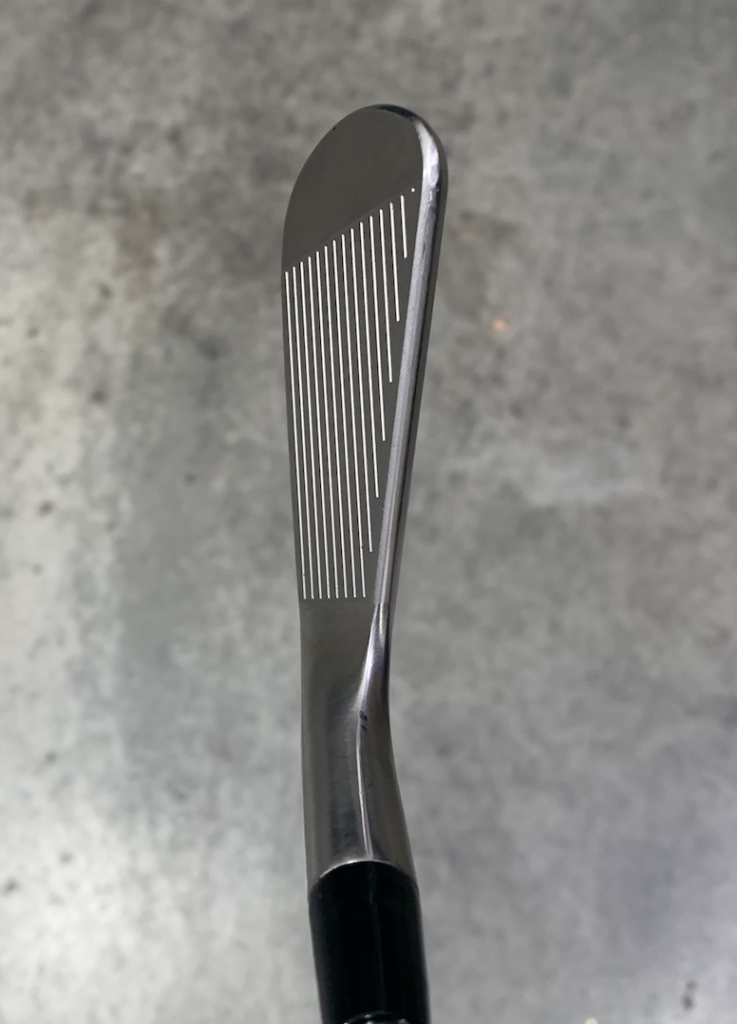
Length and Lie Angle are Directly Connected
One of the first things we discussed in the fitting bay was how closely length and lie angle are related.
Every time you grip down on a golf club, you effectively make it flatter.
Every time you shorten a golf club, you effectively make it flatter.
Every time you lengthen a golf club, you effectively make it more upright unless the lie angle is adjusted to compensate.
This is one reason why length and lie angle should never be evaluated independently.
A player may think they need a different lie angle when the real issue is the length of the golf club.
Or vice versa.
Lie Angle Changes More Than Ball Flight
Most golfers expect a flatter lie angle to produce shots that start farther right.
They expect a more upright lie angle to produce shots that start farther left.
What we found was much more interesting.
As the club became flatter, the player immediately felt the need to swing farther from the inside.
The club looked flatter.
It felt flatter.
The player’s body reacted to it.
The result?
Instead of hitting more pushes, the player actually began turning the ball over harder.
The swing path changed more dramatically than the face angle.
The player’s reaction to the club outweighed the simple physics.
Now let’s look at the opposite side.
As the club became more upright, the player felt the need to swing on a more vertical plane.
The club appeared taller.
The player felt steeper.
In some cases, that encouraged a more over the top move.
Rather than eliminating cut spin, the player actually created more.
Again, the player’s reaction to what they saw and felt became more important than the theoretical ball flight model.
Swing Weight Changes Too
Another factor that often gets overlooked is swing weight.
As lie angle becomes significantly flatter, swing weight can increase.
As lie angle becomes significantly more upright, swing weight can decrease.
These changes may be small, but golfers are incredibly sensitive to feel.
A player may think they are reacting to lie angle when they are actually reacting to a change in club balance.
This is why fitting decisions should never be made in isolation.
Everything works together.
Dynamic Lie Angle Is What Matters

One of the biggest mistakes in golf fitting is relying on static measurements.
Height.
Wrist to floor.
Knuckle to floor.
How the club rests on the ground at address.
These measurements can provide a starting point, but they should never be the final answer.
Golf is a dynamic movement.
The club head is moving at speed.
The shaft is bending.
The player is rotating.
The club is drooping.
The lie angle at impact is often very different from the lie angle seen at address.
The only lie angle that truly matters is the one delivered dynamically.
Small Changes Can Create Massive Results
Two degrees may not sound like much.
But in our testing, two degrees dramatically changed how the player moved the golf club.
How they delivered the club.
How they shaped the ball.
How comfortable they felt.
And ultimately, how they performed.
Lie angle is one of the smallest adjustments you can make to a golf club.
It can also be one of the most powerful.
If you want to unlock your best ball flight, improve consistency, and ensure your clubs are helping rather than hurting your swing, make sure lie angle is properly evaluated during your fitting.
Book your iron fitting with Cool Clubs today and experience the difference that truly optimized lie angles can make.