

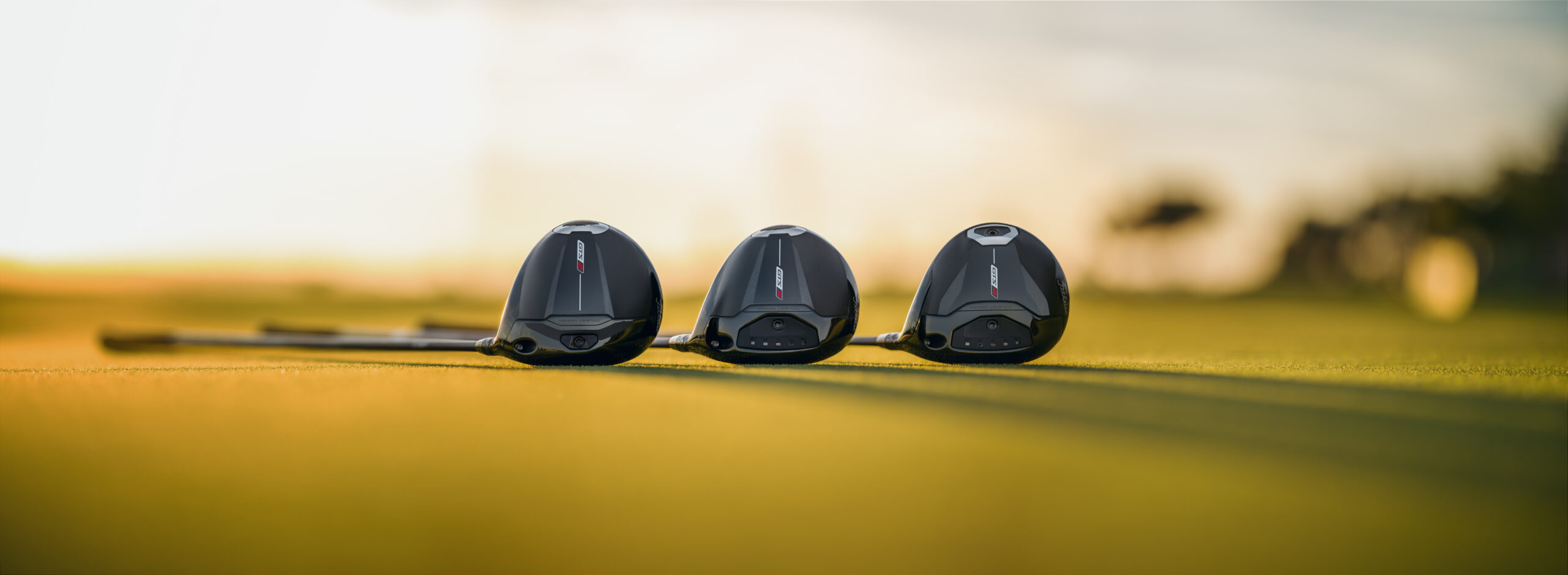
As with every new driver release, the marketing stories arrive quickly. With the new Titleist GTS lineup, there are three major talking points.
The first is the new Split Mass Frame construction. Titleist has now transitioned the thermoform crown into a much larger body structure, allowing engineers to move weight more aggressively throughout the head. This gives the GTS lineup much more extreme CG positioning possibilities than previous generations. The clearest example of this is that all three models now feature a dual weighting system, giving fitters significantly more control over CG depth and MOI positioning.
The second major story is the new SpeedSync face technology. This face design is intended to create more consistent speed retention across the face, particularly on strikes higher in the face where many modern players miss with the driver.
Finally, the accelerated aerodynamics package smooths the edges of the driver and lifts the tail section of the head to help the club move faster through the air.
We hear marketing claims every year. What we really appreciate about the GTS drivers is that Titleist did not completely reinvent what was already a very successful lineup with GT. Instead, they refined it, expanded fitting adjustability, and improved specific performance areas that mattered.
GTS4 Might Be the Story of the Year
The GTS4 could quietly become one of the biggest driver stories of 2026.
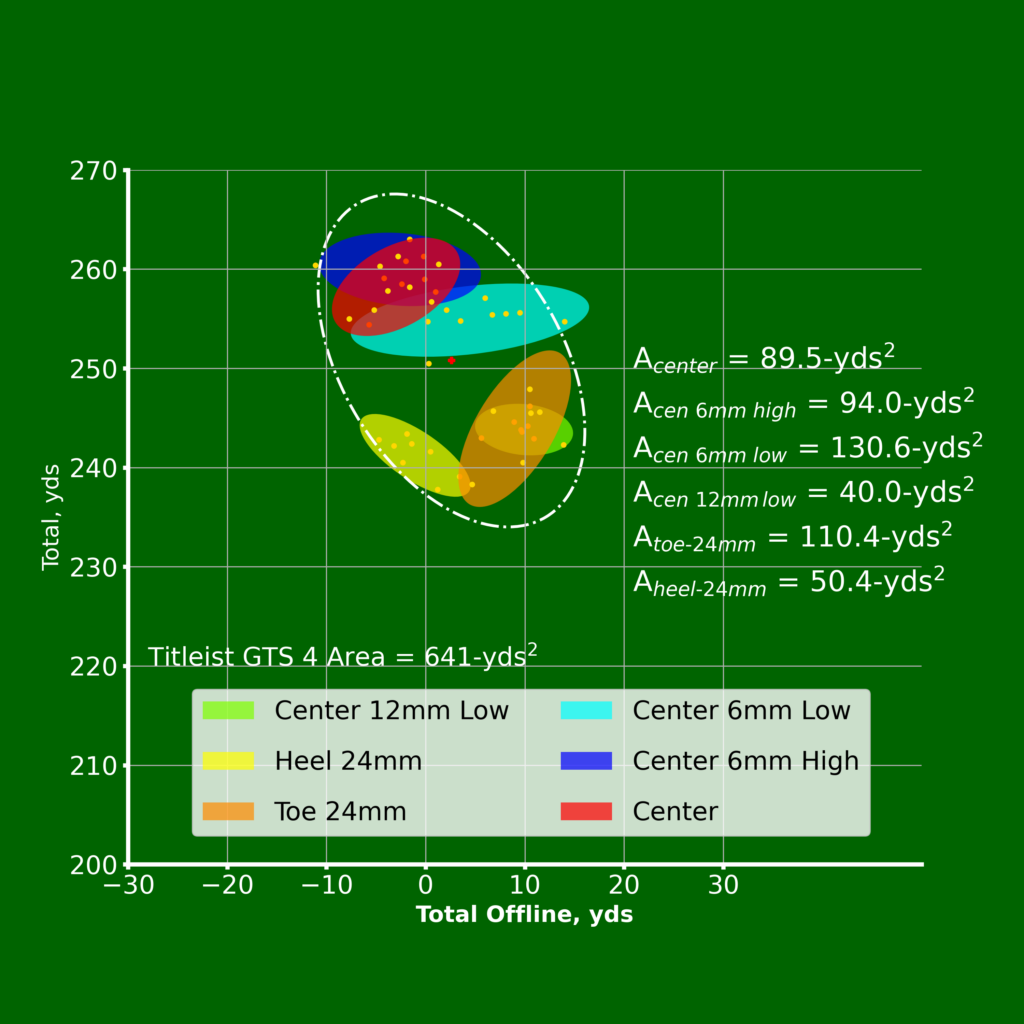
Moving away from the smaller, more demanding low spin designs of previous generations, the GTS4 now takes on a shape much closer to the old TSi3 style profile. The result is a driver that still maintains a low spin identity while becoming dramatically more forgiving.
This is where we saw some of the biggest improvements in our testing. The dispersion charts tighten considerably, making GTS4 a much more playable low spin option for a wider range of golfers. It still gives better players the ability to shape shots, but now with forgiveness levels that bring it much closer to the rest of the GTS family.
For tour players and stronger golfers looking for low spin without sacrificing stability, this could become one of the most important heads in the lineup.
GTS3 Adds Speed and Stability
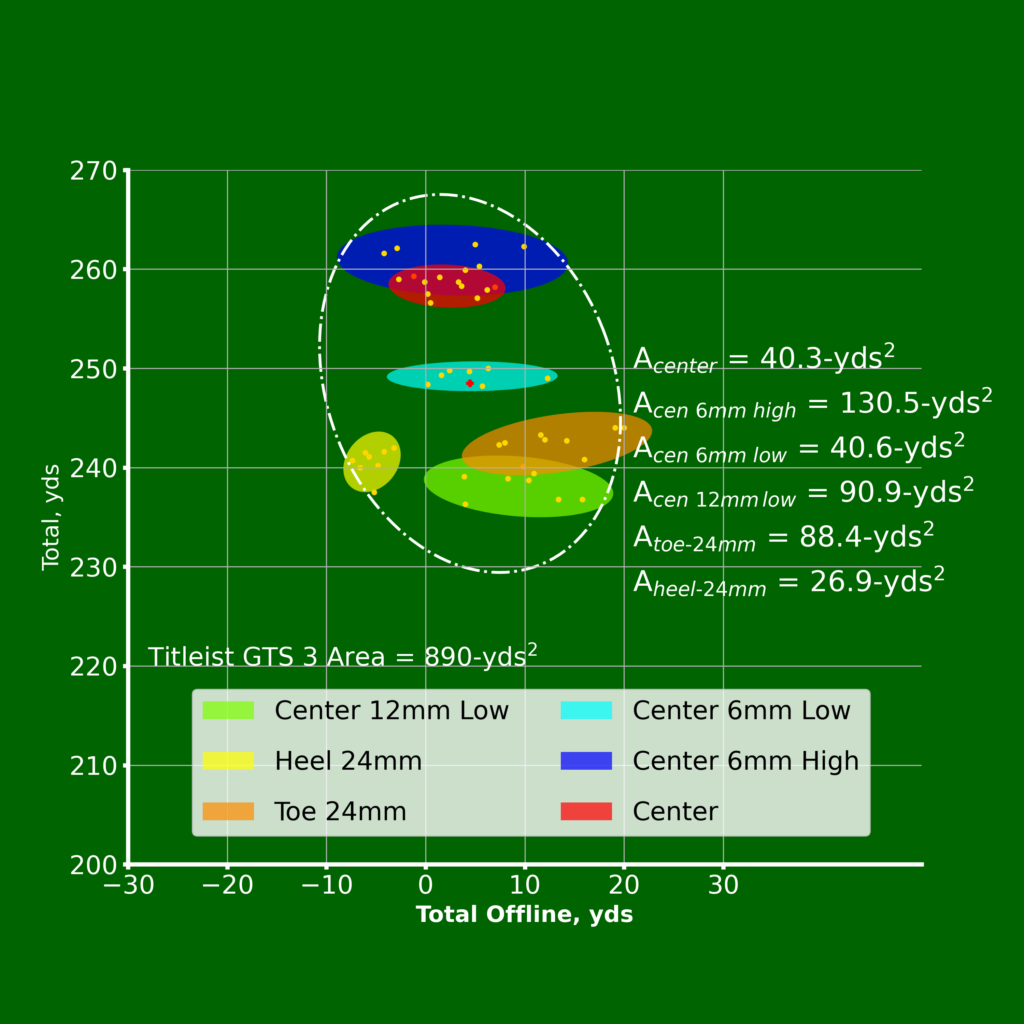
The GTS3 continues to sit in that ideal middle ground between workability and forgiveness.
With the improved aerodynamics and the expanded dual weighting system, fitters now have the ability to aft weight the GTS3 and create more forgiveness than prior generations ever allowed. In our 95 mph robot testing, we saw noticeable improvements in centerline consistency, especially on heel and toe strikes.
This is important because GTS3 players often prioritize control and shaping ability first. Now they are getting additional forgiveness without sacrificing that identity.
The combination of faster aerodynamics and improved weighting flexibility makes GTS3 a very complete modern driver.
GTS2 Continues to Offer Forgiveness
The GT2 has been one of our best-selling drivers for the last two years, so improving it was never going to be easy.
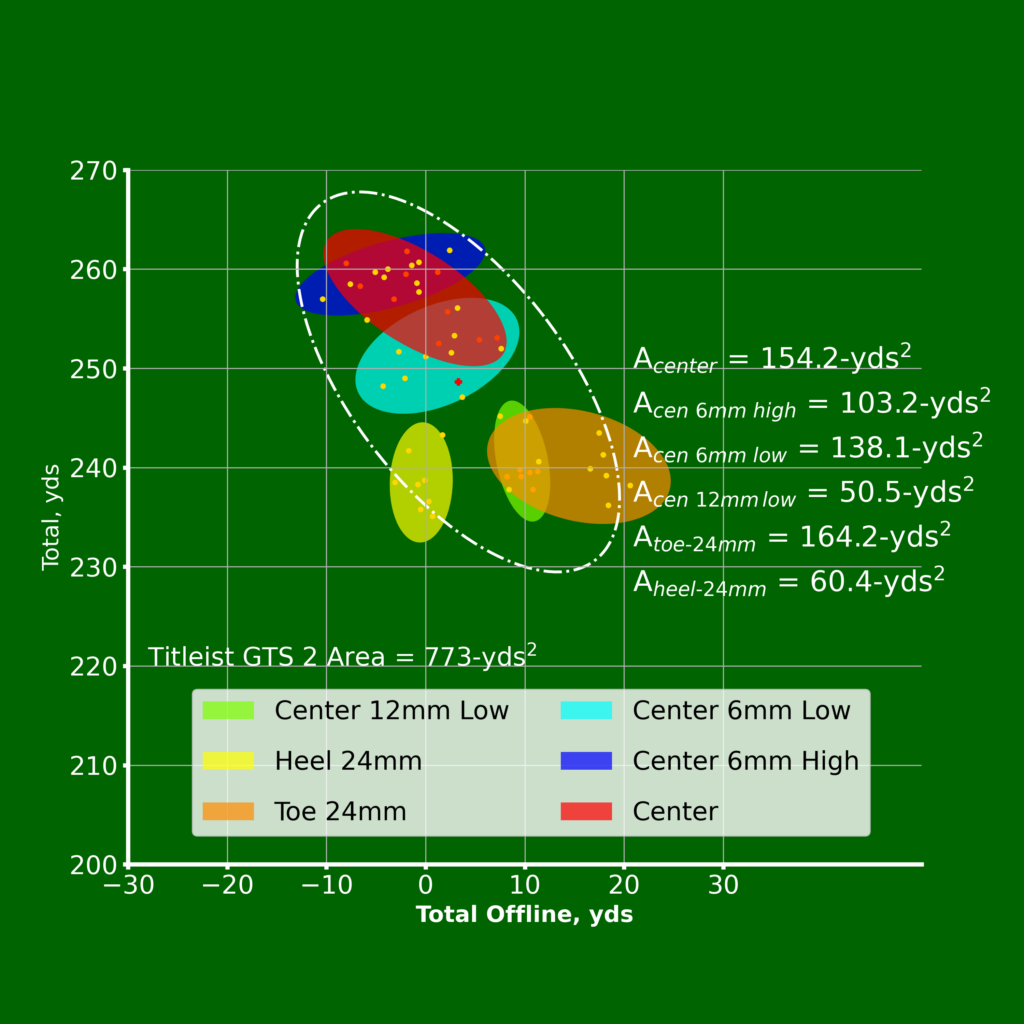
What we found with the GTS2 is that the new dual weighting system gives fitters the ability to create truly deep CG configurations for maximum forgiveness.
At the same time, when the weight is positioned forward, the driver actually becomes slightly more penetrating than the previous generation while still improving stability.
Toe misses are noticeably better and resist hooking more effectively, while heel strikes maintain a more consistent launch pattern.
From a raw data perspective, all three GTS models generally launched about one degree higher in our testing while maintaining very similar spin rates. In the GTS2 specifically, spin actually reduced slightly.
That combination of higher launch with stable or lower spin is extremely beneficial for many golfers. In our 95 mph robot testing, carry distance increased slightly, largely because launch conditions became more optimized.
The Real Story Is Fitting
The biggest takeaway with the GTS lineup is not one single technology. It is fitting flexibility.
Every driver now features a dual weight system combined with the SureFit hosel. With proper weight kits on site, fitters can now optimize:
• CG location
• MOI balance
• Launch and spin windows
• Face closure rates
• Shot shape tendencies
• Overall forgiveness profiles
Finding the perfect combination of hosel setting, CG placement, and MOI balance has never been more important.
Titleist had a difficult task ahead of them. The GT lineup was already extremely good. Instead of chasing radical redesigns, they refined the package, improved fitting versatility, and brought the lineup into a new era of adjustability.
In our opinion, this new GTS lineup is a fitter’s dream.
The challenge for golfers in 2026 is that every major manufacturer now has an excellent driver lineup. There are no bad products anymore. Every driver has its own nuances, and every golfer needs a different balance of speed, launch, spin, forgiveness, and shot shape.
That means fitting matters more than ever.
Book your Cool Clubs fitting today and find out which GTS setup is actually right for your game.