

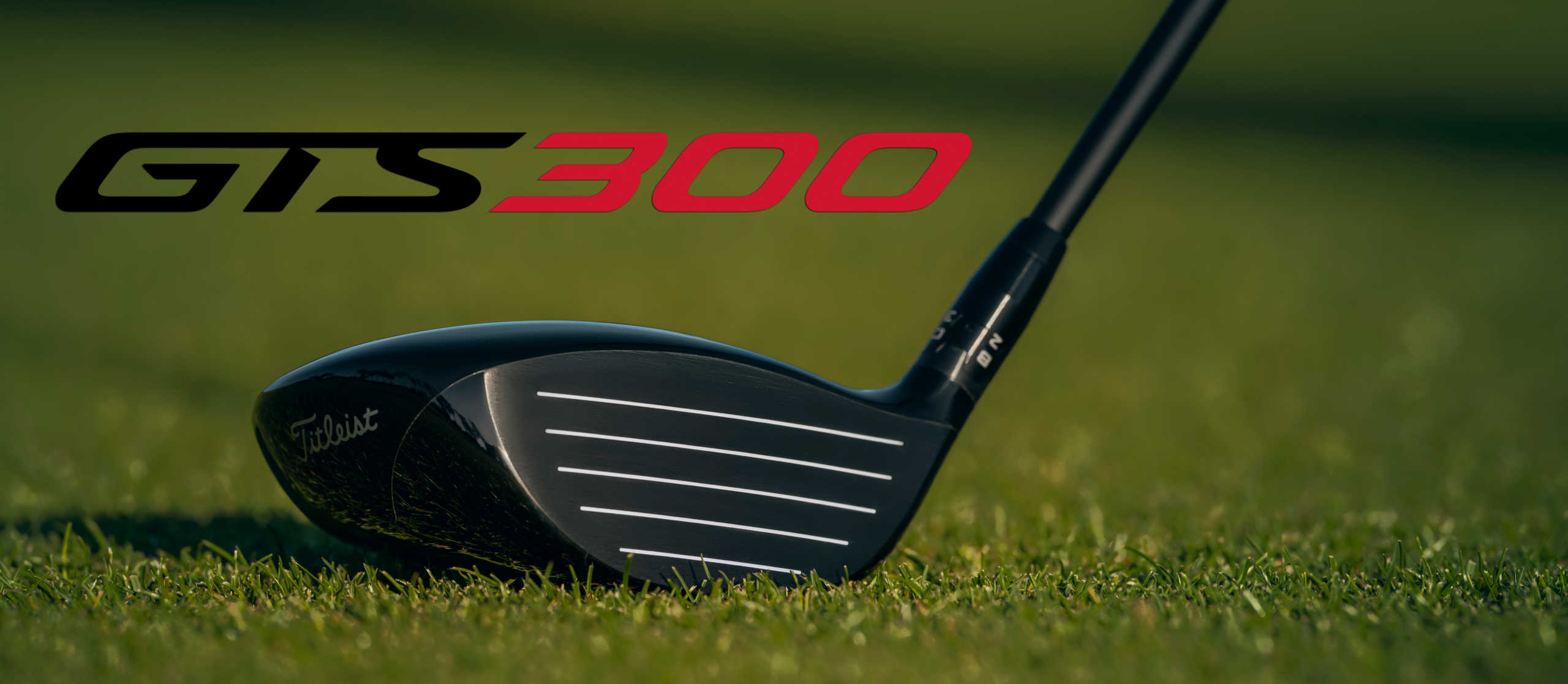
The mini driver category continues to gain momentum, and Titleist’s new GTS 300 is another step forward in what has become one of the most interesting segments in golf equipment.
For this test, we put the new GTS 300 head to head against its predecessor, the GT 280, both from the tee and off the ground to find out what the design changes actually mean in the real world.
On paper, the updates look simple enough. Titleist has increased the head size to 300cc for added forgiveness, refined the aerodynamics to improve clubhead speed, and introduced a forged L Cup face designed to preserve ball speed, particularly from low face strikes.
But do those changes actually matter?
The GT 280 Was Better Than We Expected
Before hitting the new model, we spent time with the GT 280.
One thing immediately stood out.
It was far easier to hit off the ground than we expected.
Mini drivers often get pigeonholed as clubs built only for the tee box, but the GT 280 proved there is genuine performance available from the fairway. The compact head inspires confidence for some players, while others appreciate that it sits somewhere between a traditional fairway wood and a modern driver.
The ball flight told a very clear story.

Launch was low. Spin stayed controlled. This is a club built for players who want to keep the ball under the wind and produce plenty of rollout after landing.
One important point we would make is that there is definitely a speed requirement.
Players with higher clubhead speed are likely to unlock the biggest advantages of a mini driver. Moderate speed players can still benefit, particularly from the tee with a positive Angle of Attack, but producing enough speed is critical to getting the best flight characteristics from this type of club.
Forgiveness also surprised us.
Despite the smaller profile, the GT 280 was much more stable than we anticipated. We intentionally tried to move the ball both directions and found it noticeably easier to produce a controlled fade than a draw. The fade increased spin slightly while creating a very predictable flight.
The GTS 300 Makes an Immediate Impression
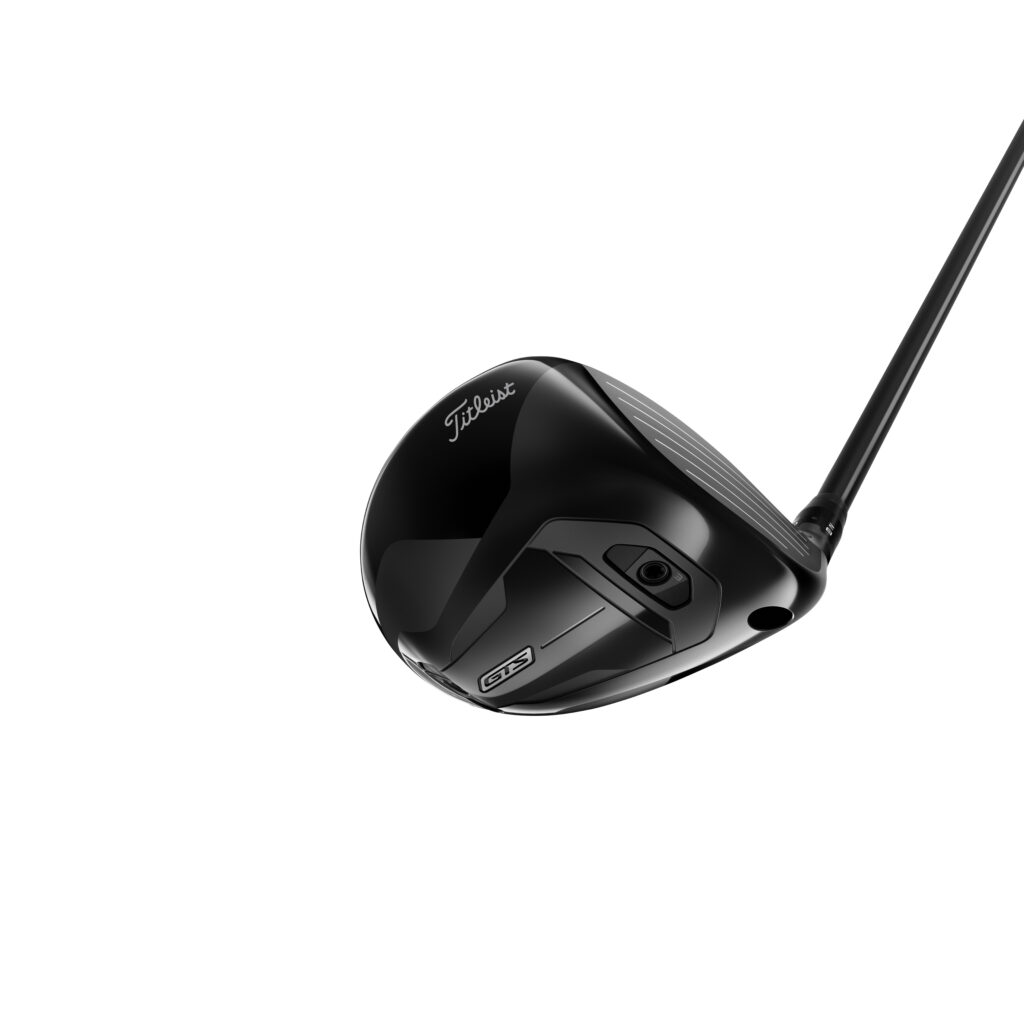
The moment you place the GTS 300 behind the ball, the larger head is obvious.
Interestingly, that additional size doesn’t just increase confidence from the tee.
It actually looked more inviting from the fairway as well.
The profile stretches further from front to back, making it feel easier to sweep the ball cleanly from a tight lie rather than feeling like you have to trap it perfectly.
Then the launch monitor confirmed what our eyes were already suggesting.
More Launch
The first thing we noticed was a meaningful increase in launch from both the tee and the fairway.
That is significant.
More launch generally means more carry distance for the overwhelming majority of golfers and immediately broadens the appeal of the mini driver category beyond only the highest speed players.
More Consistent Spin
The second standout wasn’t higher or lower spin.
It was consistency.
Spin rates became noticeably tighter from shot to shot, suggesting the new face technology is doing exactly what it was designed to do by maintaining performance across a larger area of the face.
That consistency gives golfers confidence. Instead of wondering which flight you’re going to get, you begin to trust the window the golf ball launches into.
Ball Speed Was Strong Across Both Models
One thing that didn’t disappoint was ball speed.
Both mini drivers produced excellent speed, showing just how efficient this category has become.
The decision between the two wasn’t really about maximum ball speed.
It came down to launch characteristics, forgiveness and consistency.
Those are often the factors that determine whether a club stays in the bag.
It Isn’t a Replacement. It’s a Different Fit.
Perhaps the biggest takeaway from our testing wasn’t that the GTS 300 was “better” than the GT 280.
In reality, it feels like Titleist has created two mini drivers that can comfortably exist alongside one another.
The GTS 300 launches higher, inspires more confidence with its larger profile and produces more consistent spin. It behaves much like a GTS2 style product, favoring stability, forgiveness and a higher launch window.
The GT 280, on the other hand, behaves much more like a GTS3. It launches lower, presents a more compact look behind the ball and feels like the choice for golfers who prefer a flatter, more penetrating flight with greater shot shaping potential.
That is probably the easiest way to think about these two clubs.
Rather than replacing the GT 280, Titleist has expanded the mini driver lineup to fit two different types of golfer.
Neither is necessarily better.
They’re simply designed with different players in mind.
Don’t Forget the Adjustable Weight
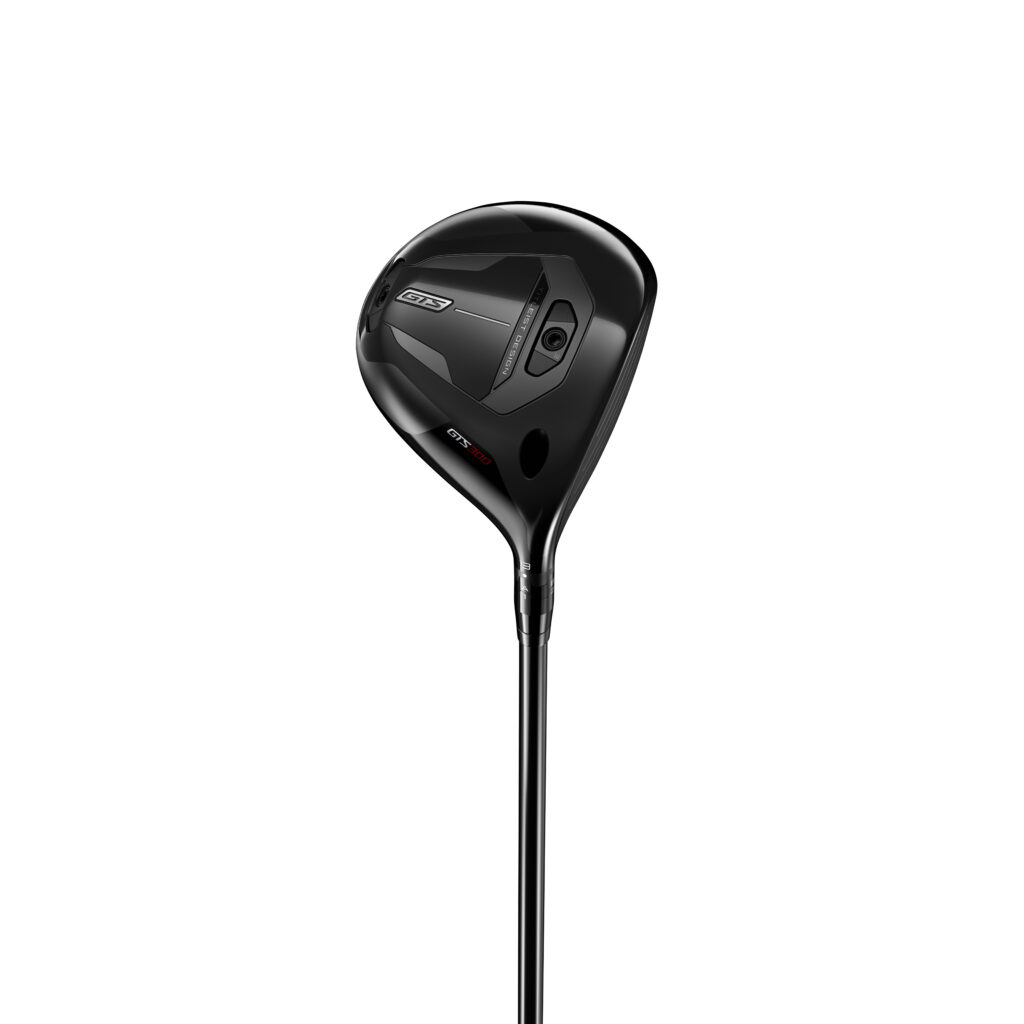
The GTS 300 also features dual weight adjustability.
For our testing, we left the heavier weight in the rear position to maximize stability and forgiveness.
However, stronger players looking to reduce spin even further can move that weight forward.
Doing so should lower dynamic loft, reduce launch, and may even produce a slight increase in ball speed.
It’s another fitting variable that makes this club far more versatile than many golfers realize.
Who Is the GTS 300 For?
The more we test mini drivers, the more use cases we continue to find.
The GTS 300 could be an excellent option for golfers who:
– Want more confidence than a traditional fairway wood inspires.
– Need more distance than a traditional fairway would offers.
– Play regularly in windy conditions
– Prefer the look of older, smaller drivers.
– Want a lower spinning alternative to a fairway wood with more launch than previous minis.
– Want more workability than a driver with low launch and spin
Meanwhile, the GT 280 remains a fantastic option for golfers who naturally produce speed, prefer a lower launch window and enjoy shaping the golf ball (possibly with a steeper angle of attack).
Neither club replaces the other.
They simply fill different roles.
The Most Important Part Is Still the Fitting
That was the biggest lesson from this test.
The GTS 300 isn’t simply an updated GT 280.
It is a different interpretation of what a mini driver can be.
Having both options available gives golfers more choice than ever before, but also makes fitting more important.
Loft, shaft length, shaft profile, head weighting and, most importantly, how you intend to use the club all influence which model is right for you.
Whether you’re looking for a reliable fairway finder, a powerful option off the deck or a club that bridges the gap between driver and fairway wood, the answer won’t be the same for everyone.
If you’re considering adding a mini driver to your bag, book a Driver or Long Game Fitting at Cool Clubs. We’ll help you investigate the GTS 300 to find the setup that best complements your swing.
Watch our full YouTube review to see Jack put both mini drivers head-to-head from the tee and off the deck, and discover which one comes out on top.